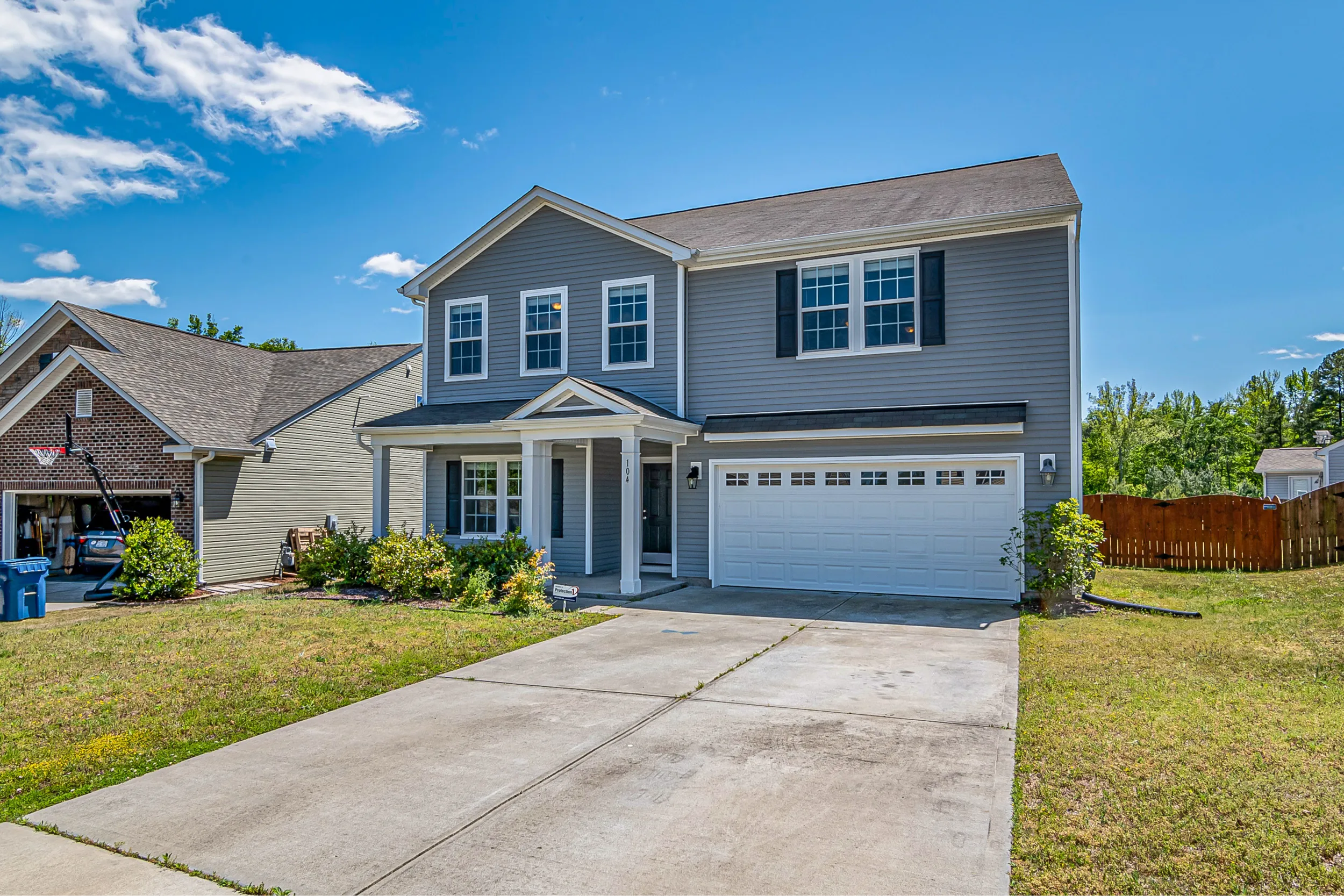
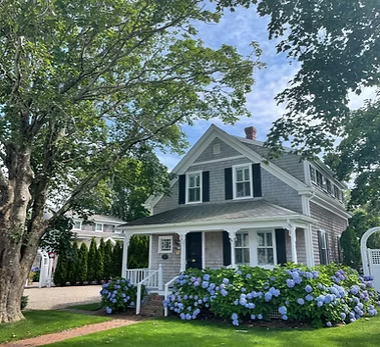
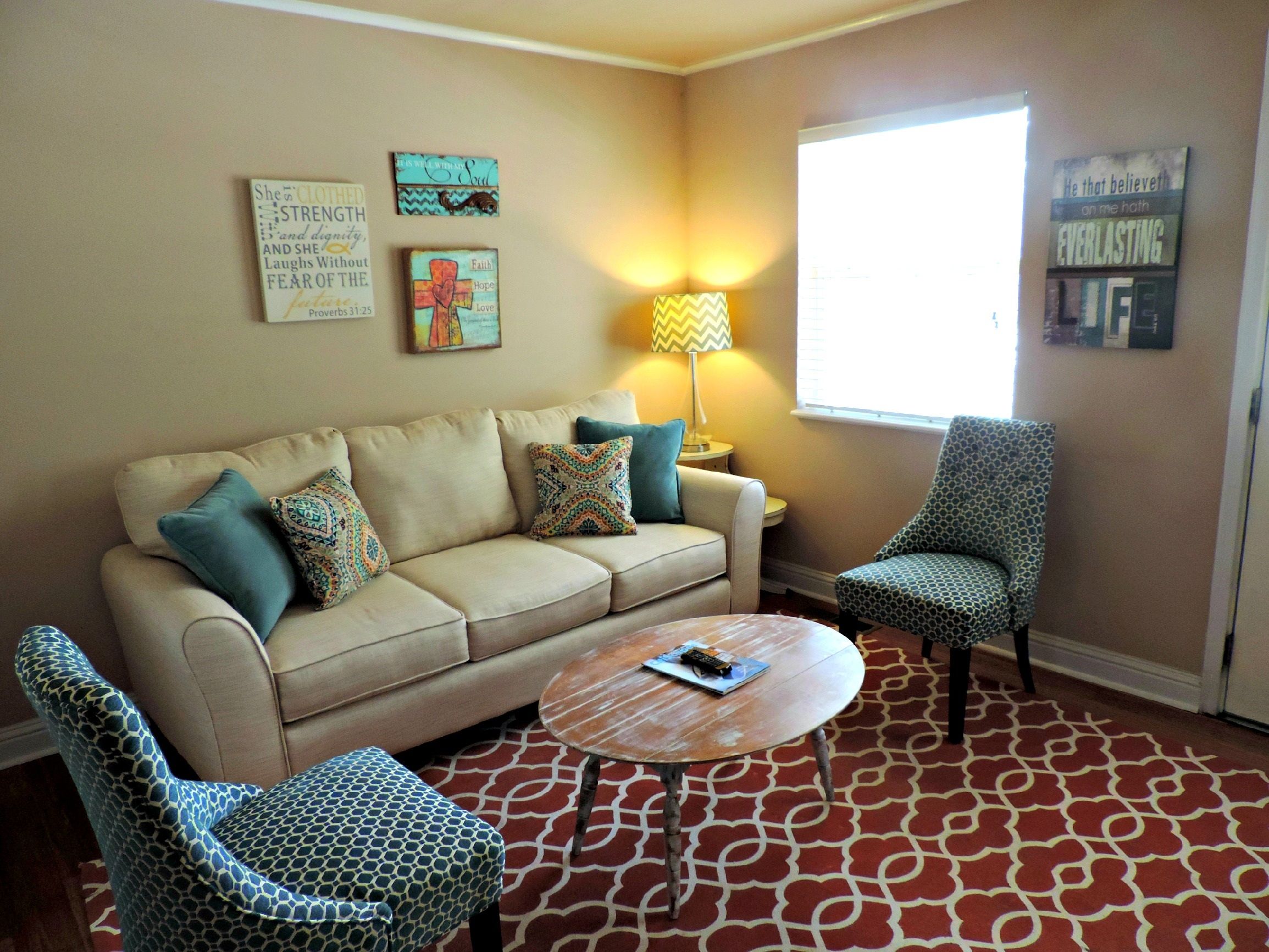
Managing a full residential clearance in Cranston requires adapting logistics to a diverse mix of housing styles. Clearing sprawling post-war capes and ranches in Garden City or Dean Estates typically involves emptying long-accumulated basements and attached garages. These single-family layouts often allow for straightforward roll-off dumpster staging in wide driveways. In contrast, working in older, denser neighborhoods like Auburn, Knightsville, or the historic coastal layouts of Edgewood and Pawtuxet Village presents tighter access. Narrow side streets and shared property lines in these districts often restrict commercial vehicle positioning, requiring targeted mobile loading to maintain compliance with municipal parking regulations and prevent neighbor disruptions.
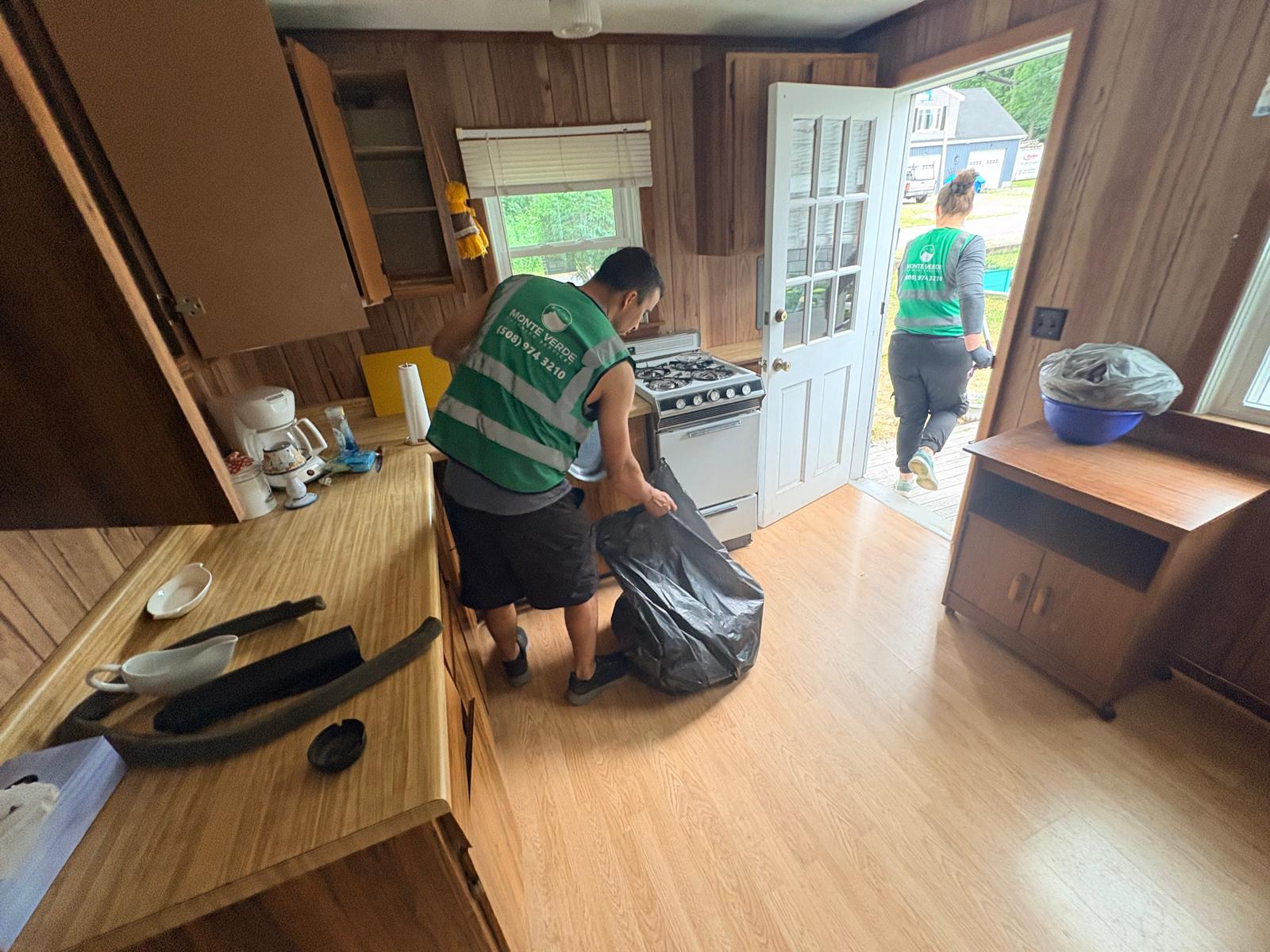
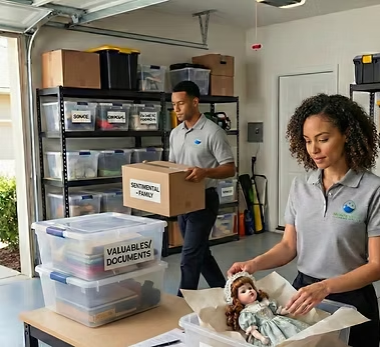
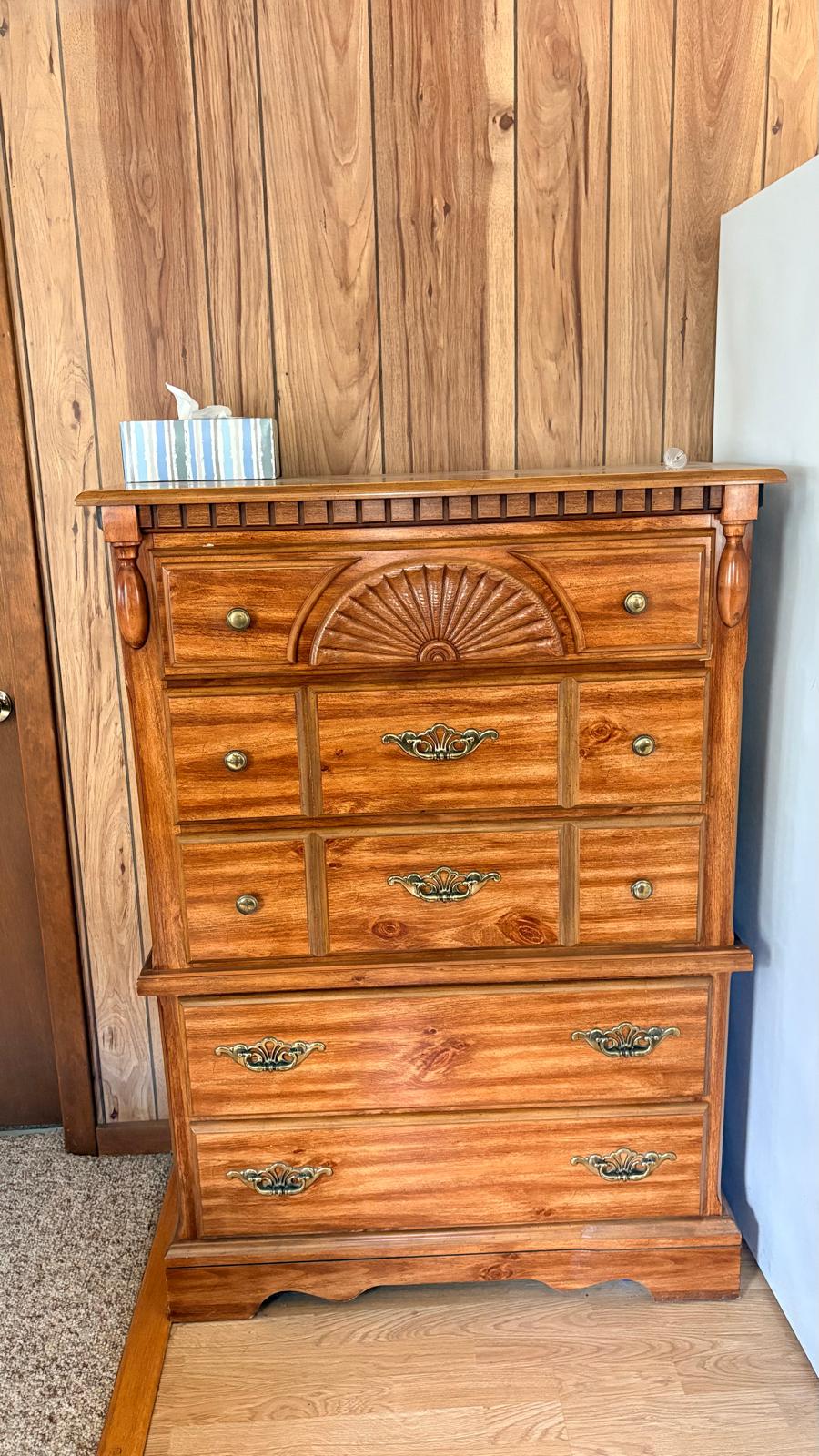
Waste routing in Providence County relies on close proximity to major state infrastructure. Non-salvageable structural debris, broken furniture, and general household junk are hauled for fast turnaround via the Johnston Central Landfill, located just over the municipal border. Because tipping fees at this facility are calculated by tonnage, controlling disposal costs requires strict interior sorting. Functional furniture, clothing, and household goods are methodically separated during the extraction phase for sorting and donation transport to local charities. Additionally, older colonials across Cranston frequently contain legacy hazardous materials—such as lead paint cans, solvents, and automotive fluids—stored in cellars. These specific materials must be cataloged on-site and diverted to state-approved Eco-Depot collection events rather than standard trash streams.