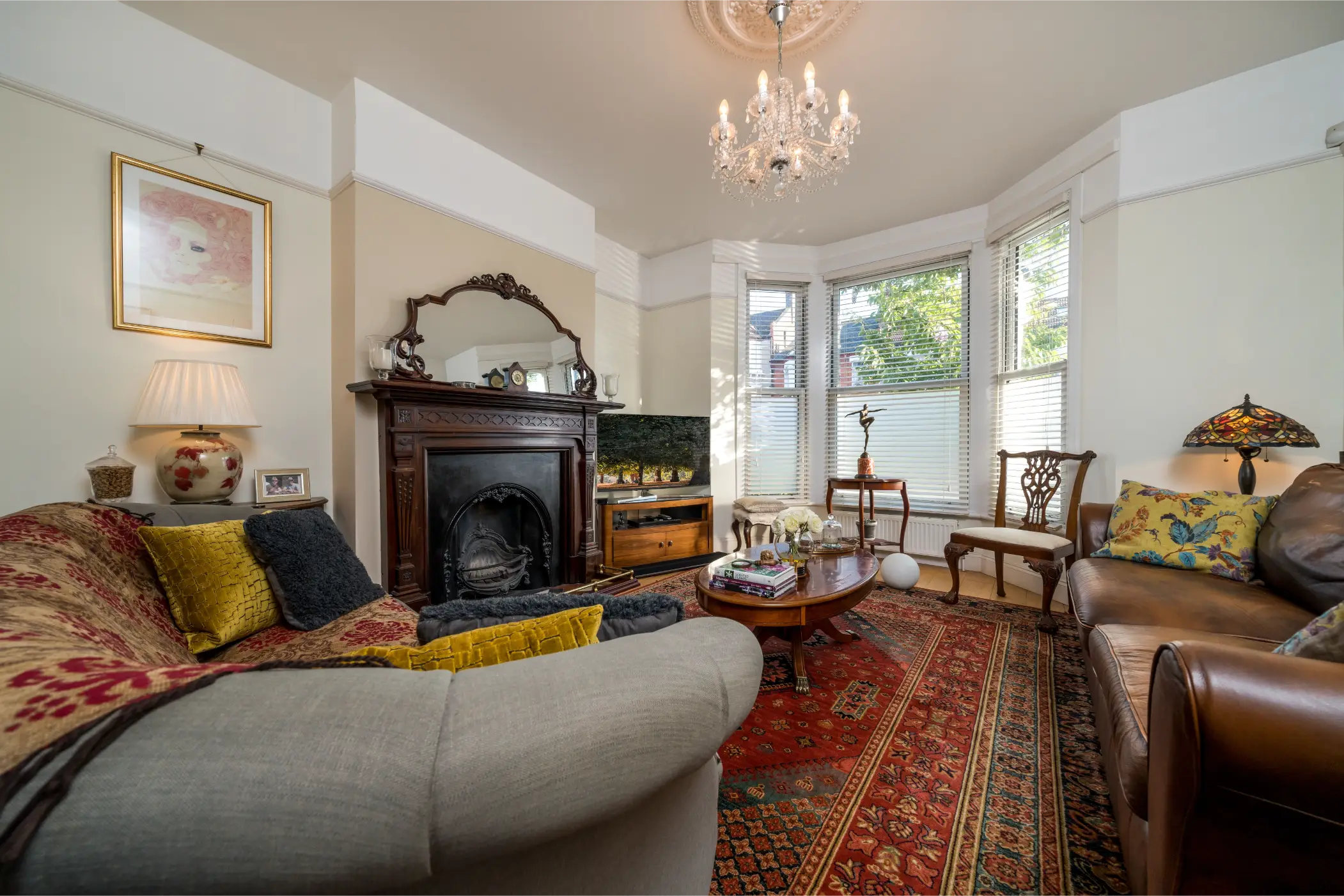
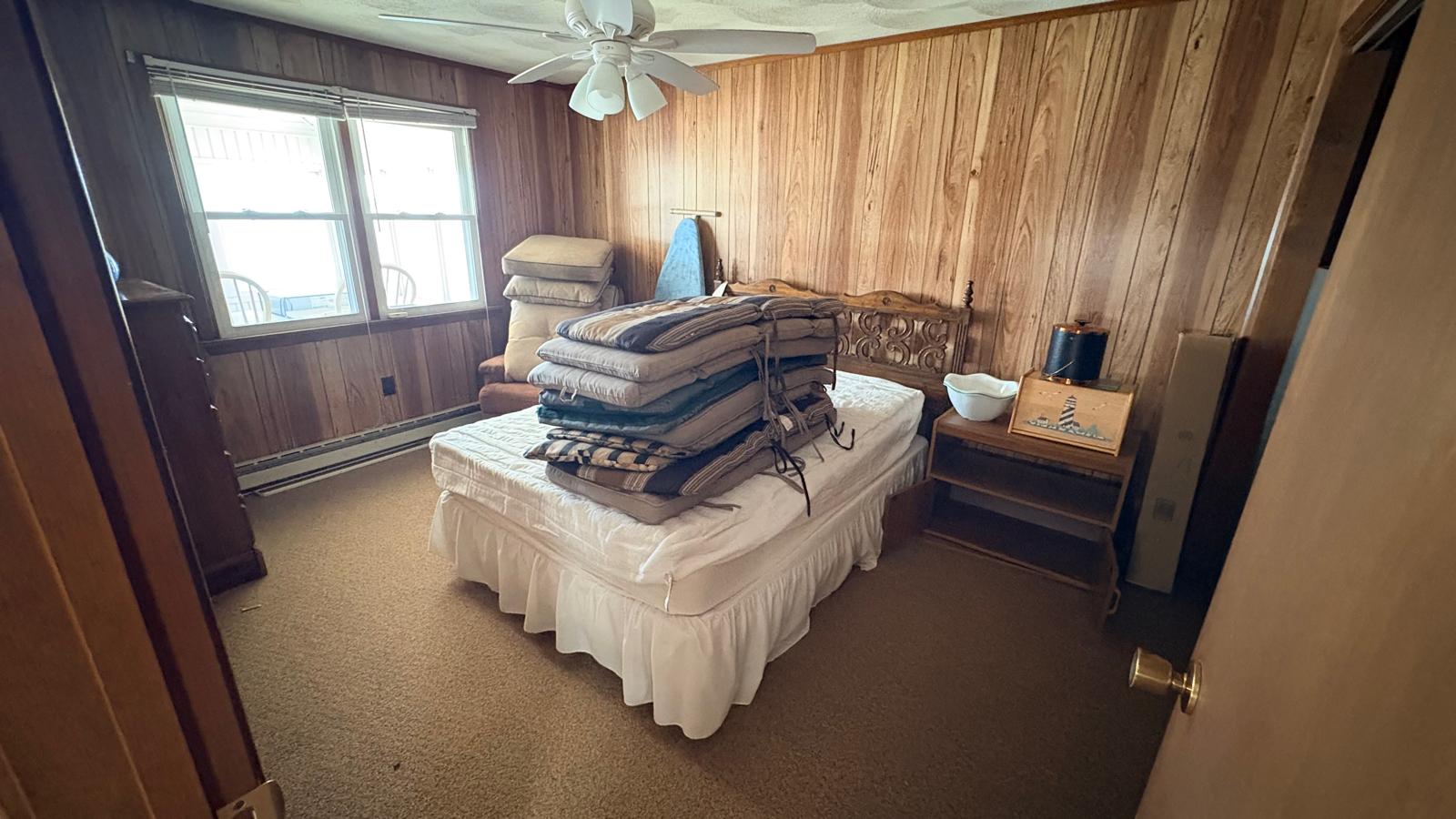
Clearing a heavily accumulated multi-family home on Grafton Hill or a sprawling historic property in Tatnuck involves navigating distinct local logistics. Worcester's dense residential zoning and varied architecture often restrict dumpster staging and commercial truck access. Properties located near Shrewsbury Street or Newton Square frequently require street-level permit coordination, as narrow driveways and tight property lines limit space for roll-off containers. Moving large appliances or decades of accumulated furniture from third-floor walk-ups demands careful pathway protection and structural awareness.
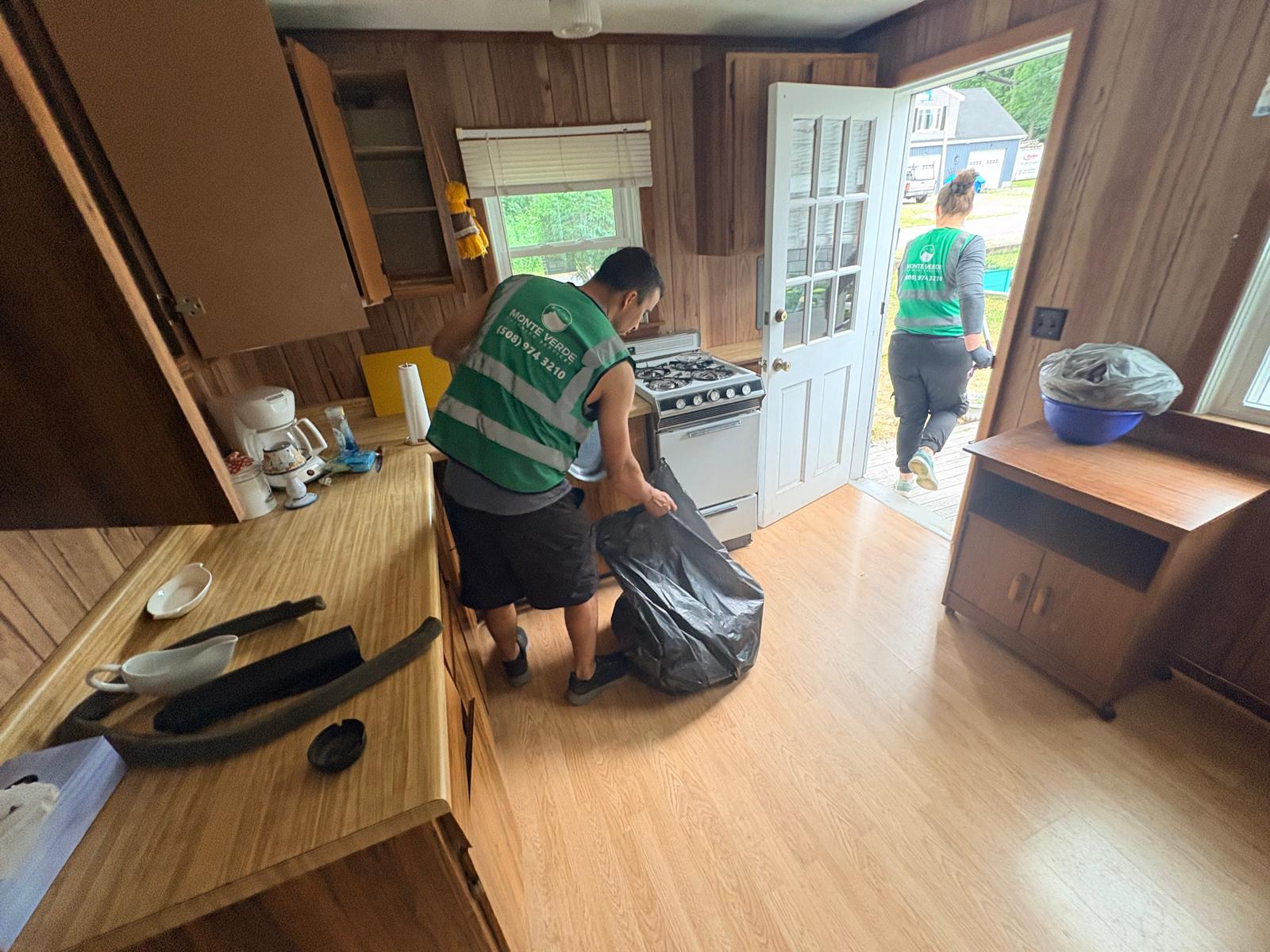
Disposal in central Massachusetts is strictly regulated. Estate cleanouts must adhere to local sorting requirements, separating recyclable materials, electronics (e-waste), and hazardous household chemicals from standard bulk trash. A substantial portion of clearing an estate involves routing usable goods away from landfills. Items of practical value are typically diverted to local Lincoln Street donation drop-offs, while non-salvageable debris requires proper transport to Millbury transfer facilities or designated regional waste centers. Navigating these regional disposal networks efficiently controls dump fees and ensures compliance with Worcester's evolving property transition and environmental standards.