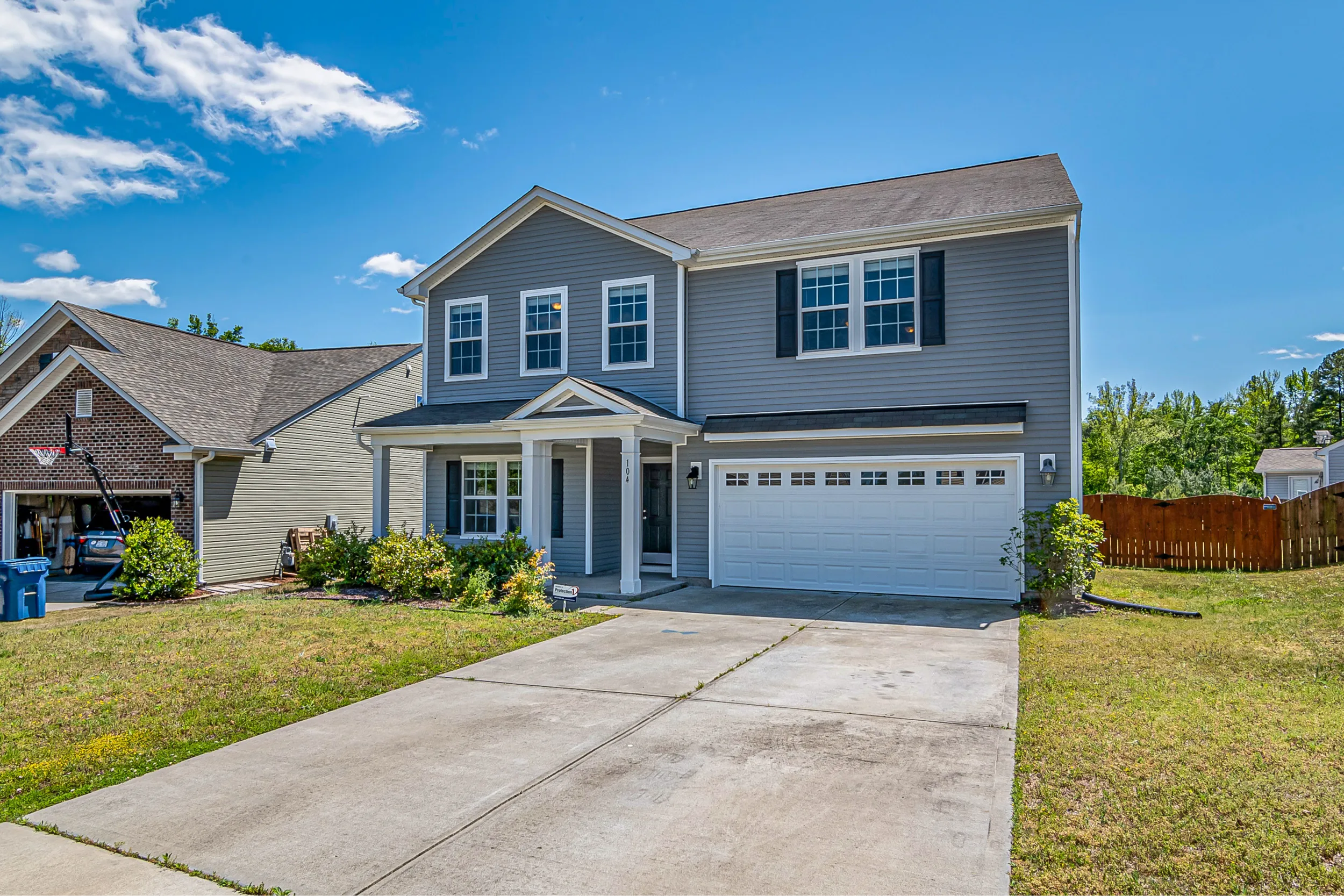
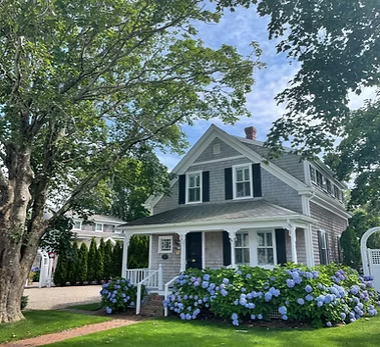
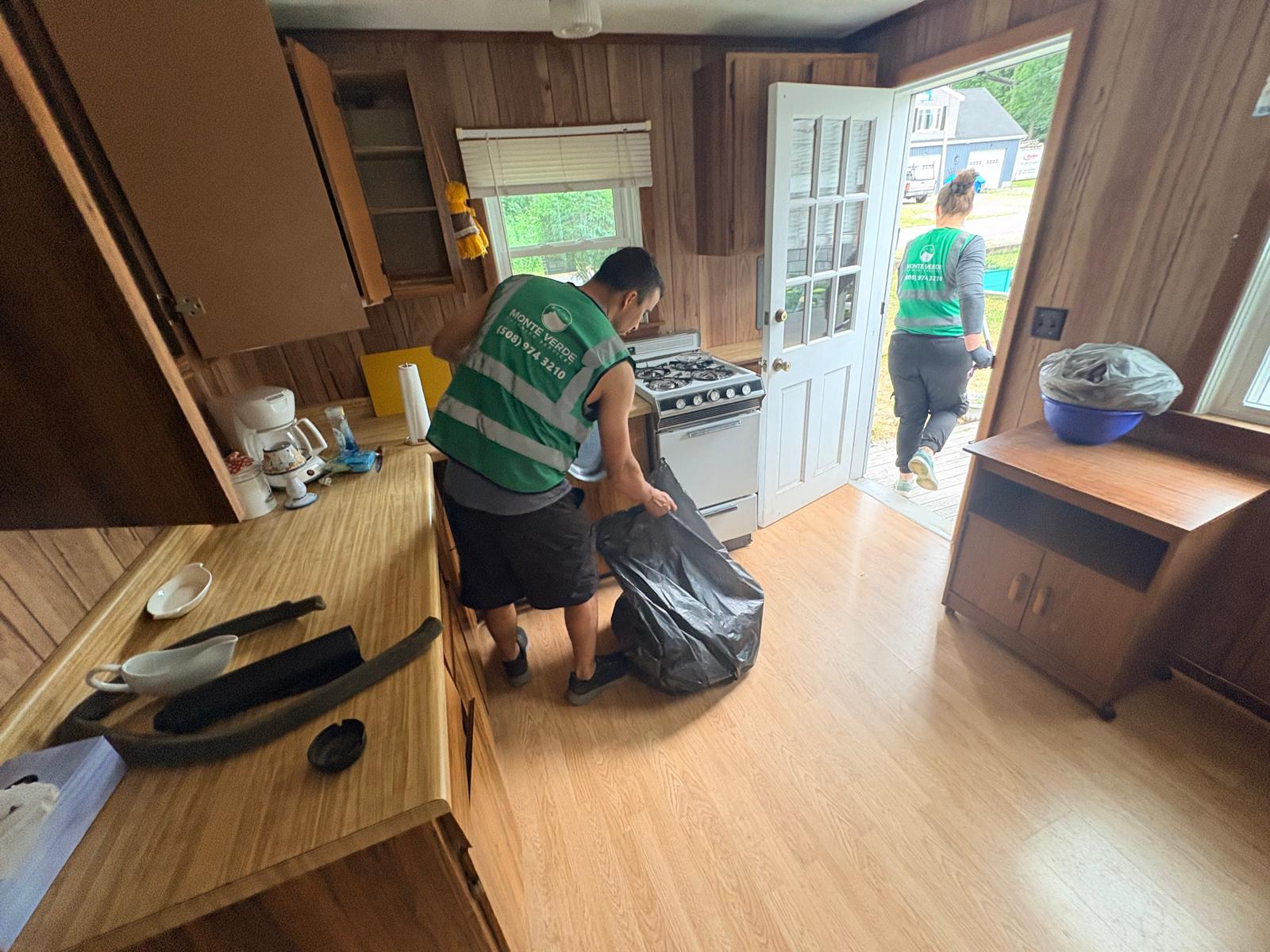
Managing property clearances across Waterbury requires adapting to a distinct mix of industrial-era housing and suburban developments. Executing multi-family tenement cleanouts in densely built neighborhoods like Brooklyn, the East End, or Hopeville often involves navigating narrow shared driveways, on-street parking constraints, and steep multi-story staircases. These architectural bottlenecks frequently prohibit standard roll-off dumpster staging, requiring mobile loading trucks and specific street obstruction permits to extract heavy items legally. In contrast, older residential downsizing projects in neighborhoods such as Town Plot, Overlook, or Bunker Hill typically offer more physical space for staging containers but involve clearing decades of heavy accumulation from deep basements and detached garages.
Waste management in the Naugatuck Valley relies heavily on efficient transportation arteries. General bulk debris, non-salvageable furniture, and structural waste are transported via the Route 8 and I-84 access routes to authorized commercial facilities, including routing toward the Mark Lane transfer station. To minimize commercial tipping fees calculated by tonnage, the cleanout process emphasizes strict interior sorting prior to hauling. Functional household goods and textiles are diverted from the waste stream and routed to local New Haven County charities. Additionally, older Waterbury homes frequently harbor legacy hazardous materials—such as lead paints, industrial solvents, and automotive fluids stored in cellars. These items must be isolated on-site and processed through designated household hazardous waste collection protocols rather than placed in standard trash streams.