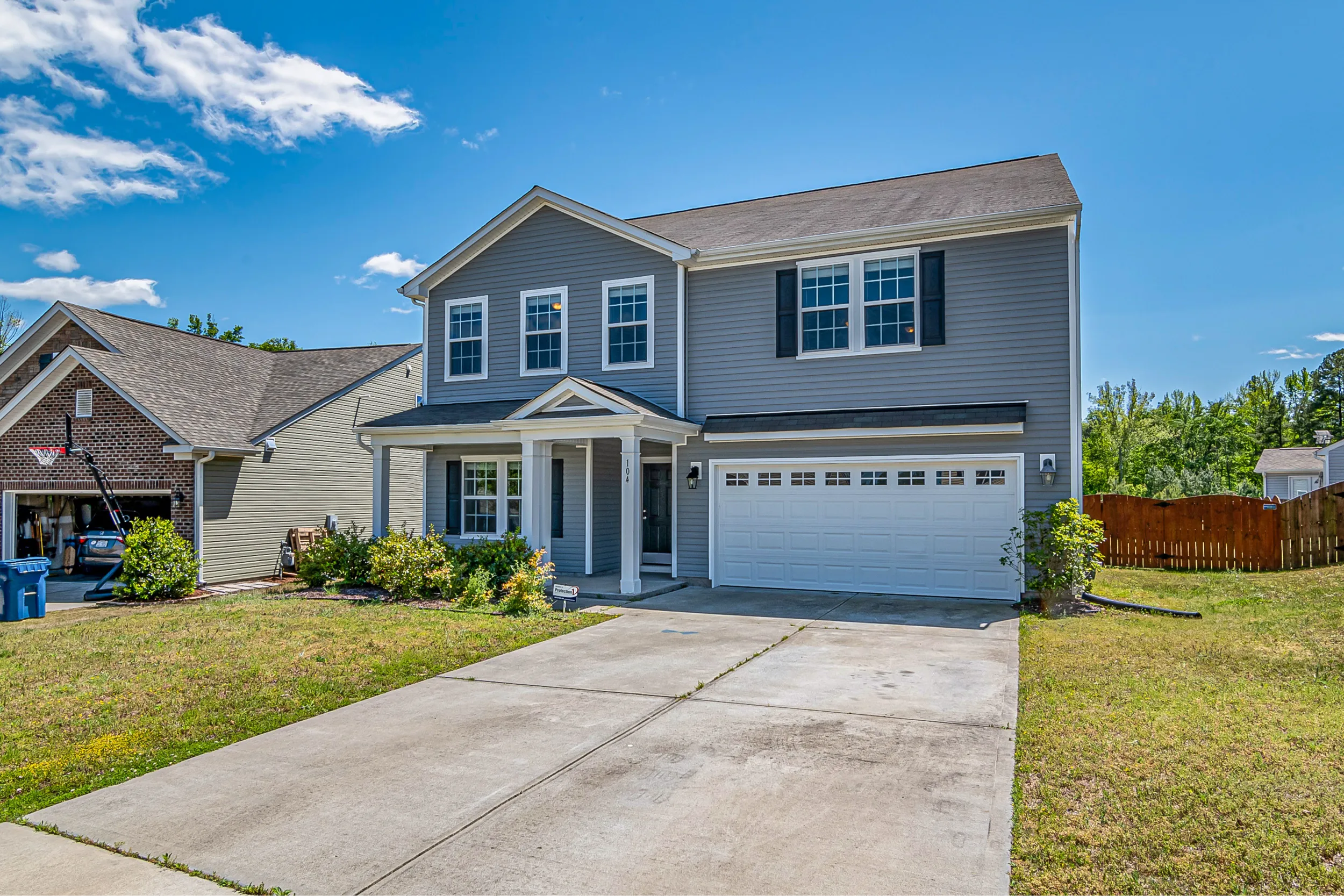
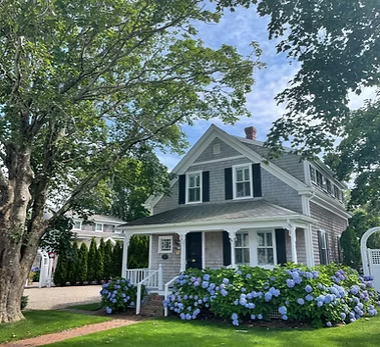
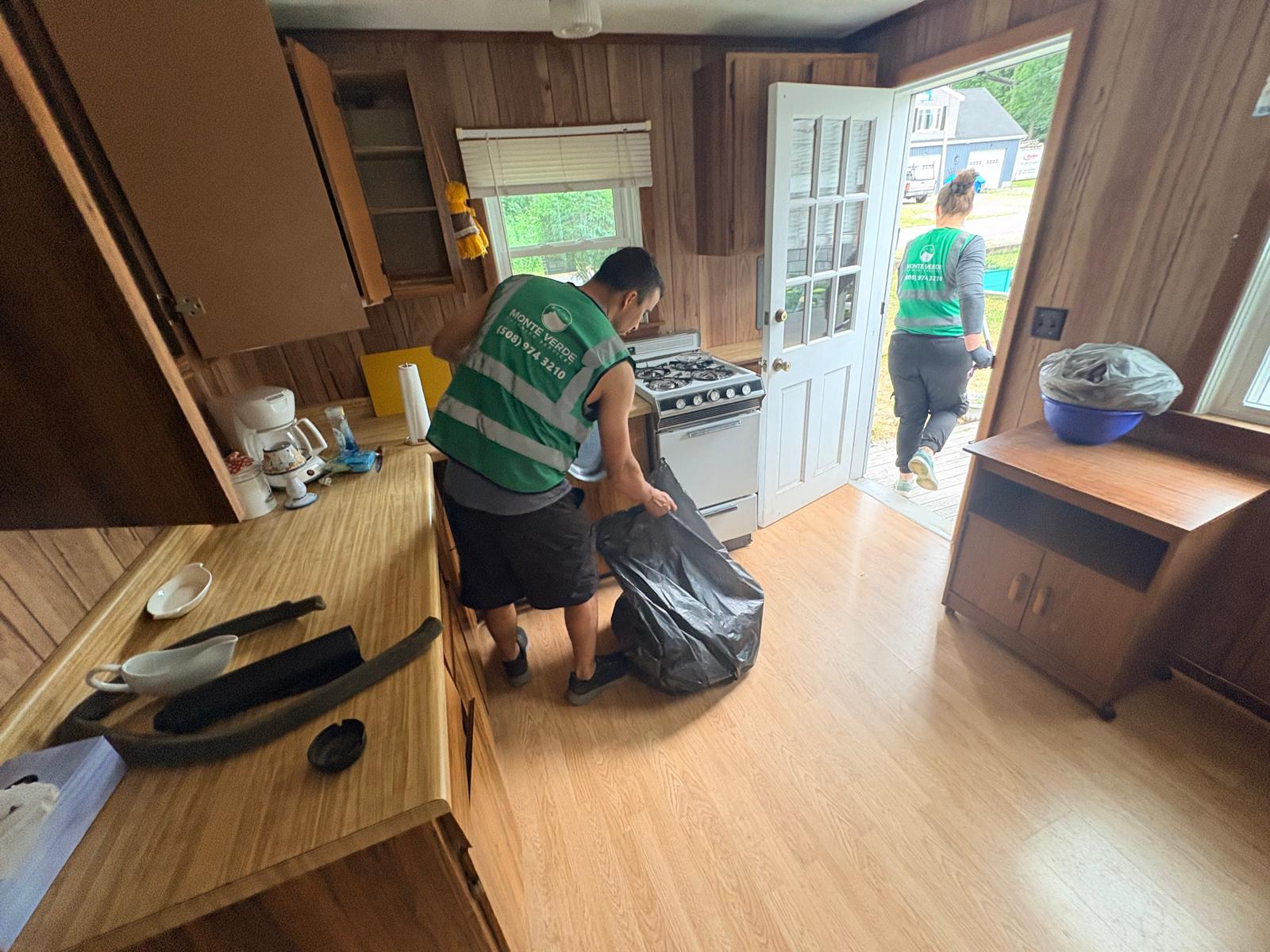
Managing an estate clearance in New Haven County requires adapting to distinct municipal layouts and coastal property logistics. Historic, high-density neighborhoods like East Rock and Wooster Square frequently feature narrow shared driveways, on-street parking restrictions, and multi-story walk-ups with tight staircases. These constraints necessitate street-level dumpster staging permits and specialized lifting equipment to safely extract bulky furniture without damaging original woodwork or plaster walls. Conversely, shoreline residential estate downsizing in areas like Morris Cove or neighboring coastal towns often involves clearing heavily packed basements, detached garages, and large storage sheds, requiring high-volume commercial hauling capacity.
Disposal routing in Greater New Haven relies heavily on major transportation arteries. Debris and non-salvageable junk must be efficiently transported to authorized regional waste transfer stations along the I-95 and I-91 corridors. To control commercial tipping fees and manage overall project costs, cleanout operations emphasize sorting. Usable household items, structural fixtures, and textiles are categorized early in the extraction process and diverted to local regional recycling and donation depots. Legacy hazardous materials common to older Connecticut properties—such as lead-based paints, varnishes, and automotive fluids—are segregated on-site to adhere to municipal household hazardous waste processing protocols.