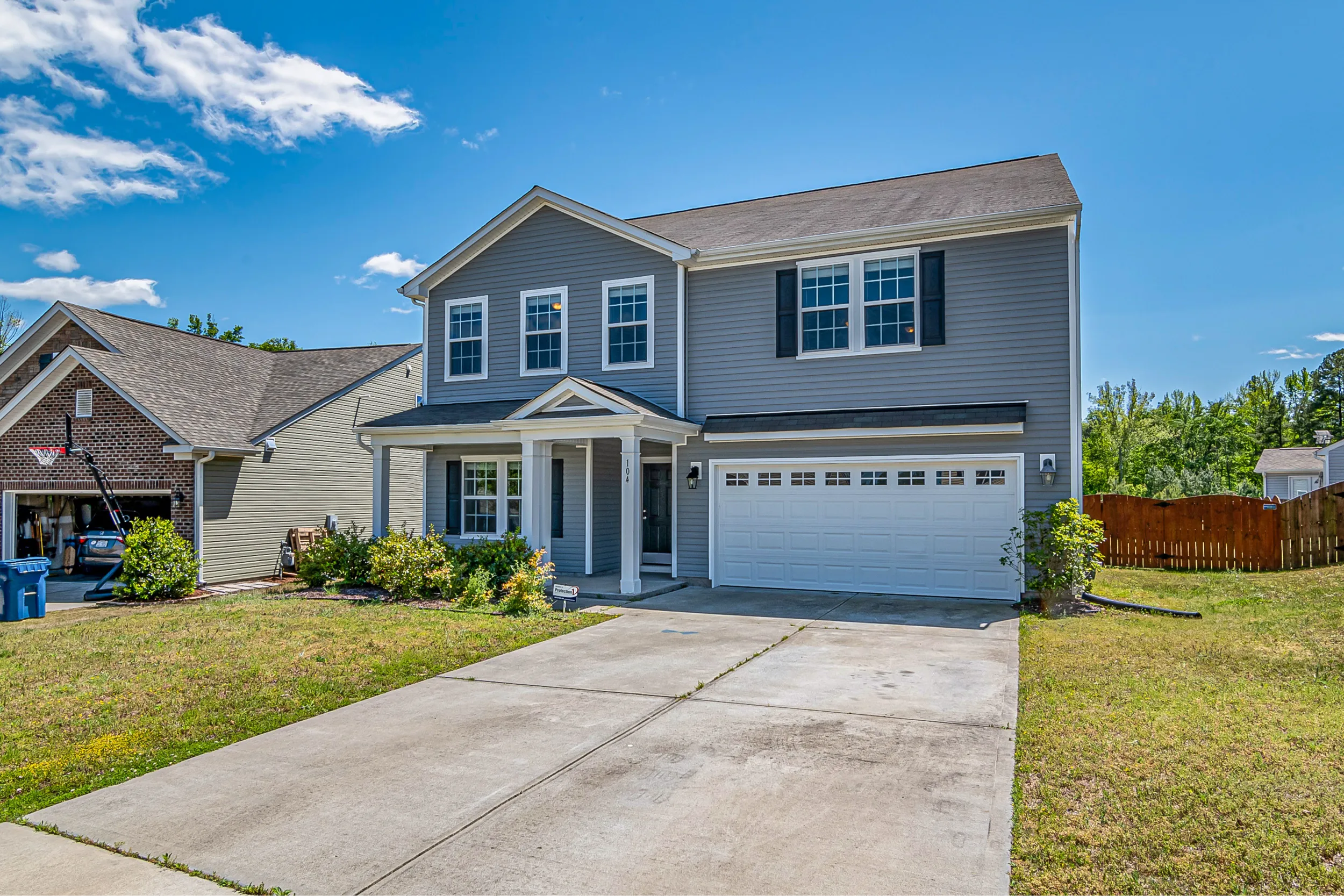
Managing a property clearance in the Capitol Region requires adapting to a wide variety of housing stock and municipal constraints. Clearing a sprawling multi-generational home in the West End presents entirely different logistical challenges than emptying a densely packed multi-family unit in Frog Hollow or South Green. Older neighborhoods like Asylum Hill and Blue Hills often feature narrow driveways, steep basement access points, and strict street parking regulations. These constraints mandate precise roll-off dumpster staging or the use of mobile loading trucks to prevent municipal code violations and minimize disruptions to adjacent properties.
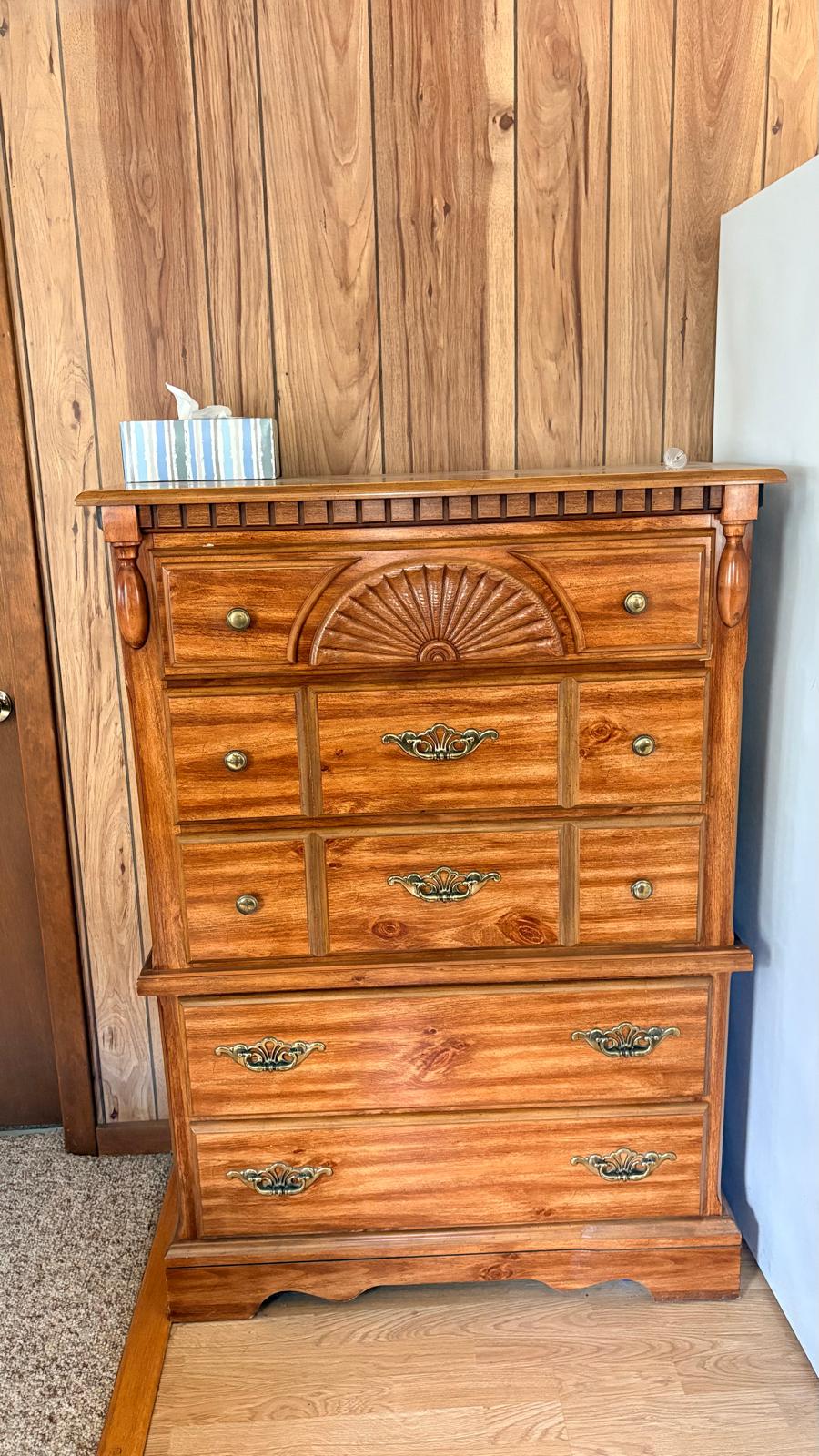
Waste routing in Greater Hartford relies on specific municipal protocols. General bulk debris and non-salvageable household junk must be transported to approved MDC (Metropolitan District Commission) regional waste facilities, requiring accurate weight estimates to control disposal costs. To keep commercial tipping fees manageable, a significant portion of an estate's contents is typically sorted for diversion. Usable furniture, appliances, and clothing are systematically separated during the interior extraction phase and routed to local charities, including the Bloomfield and Hartford ReStore locations. Additionally, older Hartford homes frequently house legacy hazardous materials—such as lead paint cans, solvents, and outdated cleaning chemicals in basements—which must be cataloged on-site and processed through dedicated household hazardous waste drop-off protocols rather than standard landfill dumping.